
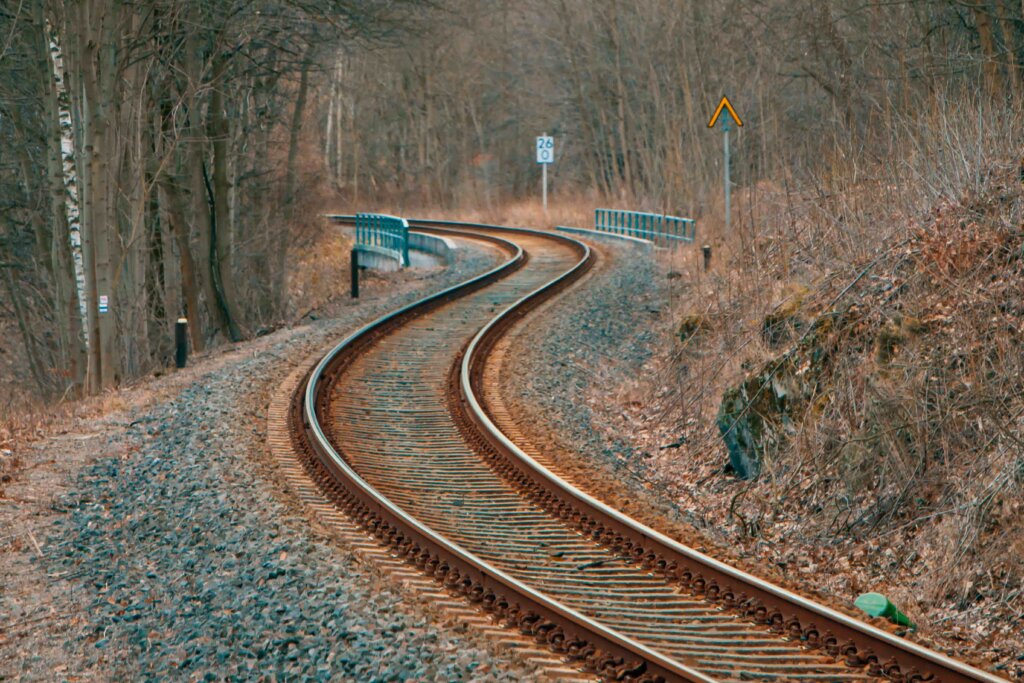
Picture two versions of your Tuesday morning. In one, you are parked on I-35 or MoPac, creeping toward downtown. In the other, you are sitting on the Red Line with coffee in hand, scrolling your phone while the train does the work.
That fact is more renters are searching for Austin apartments on the rail line in 2025 and that trend will continue into 2026 with all the planned 35W construction. Traffic is worse, downtown parking costs keep climbing, and a lot of jobs shifted to hybrid instead of full-time office. On top of that, Austin FC games, Q2 concerts, and downtown events make rail feel like a relief valve.
Here is the catch: not every station feels the same. A few stops are real walkable hubs within close proximity to restaurants, bars and shopping. Others are pure park-and-ride that will still require you to commute depending on where you live. Some apartments are truly a two minute walk to the platform if you live at at an apartment nearby.
This guide is based on real walking routes to actual station entrances, not wishful straight lines or “near the train” marketing. The goal is simple: help you pick the station area, and the style of apartment, that actually fits how you live and commute, not how the brochure sounds.
MetroRail 101: How Austin’s Red Line Really Works for Renters
CapMetro’s Red Line runs from Leander down to downtown Austin. As of late 2025, the stations, north to south, are:
- Leander
- Lakeline
- Howard
- Kramer
- McKalla (Q2 Stadium)
- Crestview
- Highland
- MLK Jr.
- Plaza Saltillo
- Downtown
Leander and Lakeline serve the far northwest suburbs. Howard is basically a park-and-ride for north Austin. Kramer and McKalla cover the Domain and North Burnet area. Crestview and Highland sit in central north Austin. MLK links into Mueller and UT connector buses. Plaza Saltillo and Downtown give you East Austin and the city core.
McKalla is the newest stop, right by Q2 Stadium. Project Connect is adding a North Burnet/Uptown station around 2027, and Kramer is expected to close after that, so long leases in that area should factor in the change.
The Red Line is great for weekday commuting, downtown trips, and Q2 events, but it does not run like a big city subway. Trains come about every 30 minutes at peak and less often mid-day. There is no Sunday service. Last trains out of downtown can be earlier than people expect, often in the 7 pm range on weeknights.
If the schedule does not line up with your job or social life, being 0.1 miles from the platform will not fix that. Always check CapMetro’s current timetable before you fall in love with a building.
The Red Line Stations That Matter Most for Apartment Hunters
For renters, the stations break down by lifestyle:
- Downtown and Plaza Saltillo for dense urban and East Austin energy.
- MLK and Highland for students, ACC, Mueller, and families who still like access to parks.
- Crestview and the North Lamar area for neighborhood feel plus solid transit.
- McKalla and Kramer for Domain workers and tech corridor jobs.
- Lakeline and Leander for park-and-ride, lower rent, and more space.
The smart move is to pick your station “zone” first, then your building. The label on the sign matters less than whether your daily routine actually lives in that part of town.
What MetroRail Is Great For (And What It Is Not)
The Red Line shines when your life is predictable. Think 9 to 5 downtown, two or three office days for a hybrid job, Q2 matches, or weekend events that fit the schedule.
It also helps you dodge expensive downtown parking and special event surcharges. For many people, just not fighting traffic on I-35 twice a day is worth a rent premium.
Where the train struggles is late nights, Sundays, or last minute plans. There is no true bar-close service. If you often stay out past 9 or 10 pm, you will be in a rideshare or driving anyway.
Most renters who are happy with rail use it for a set pattern, then fill gaps with walking, bike, bus, or Uber, not the other way around.
What “On the Rail Line” Really Means in Austin
Listing photos make everything look walkable. Reality is messier.
Some “near rail” apartments are a short, well lit walk. Others involve crossing Airport Boulevard in the dark or cutting through a weird industrial strip by yourself. Same distance on the map, very different feel on your feet.
In Austin, true walkable access usually means a quarter to half a mile along sidewalks you would still use at 9 pm. Anything beyond that starts to feel like a hike, especially in August heat.
True Walk-To-Train Apartments vs “Close Enough” Marketing
A real walk-to-train setup is usually 0.10 to 0.25 miles from the station entrance, door to platform, with sidewalks and real crosswalks the whole way.
Only a handful of communities actually sit that close:
- The 5 Fifty Five at Downtown, roughly a two minute walk.
- Talavera Lofts and other Plaza Saltillo buildings right on the square.
- The Rail near MLK Station, about a block from the platform.
- Broadstone North ATX at McKalla, the station is basically at the edge of the site.
- Small mixed use and multifamily buildings right by Highland and Crestview.
On the other hand, you have places with “Station” or “Lakeline” in the name that are closer to 0.7 or 0.9 miles in real walking distance. That might be fine if you bike, but it is not the same as stepping out and boarding in two minutes.
Why Your Walking Route Matters More Than the Distance Number
Two apartments can both be 0.3 miles from the train and feel totally different.
One route might be a straight sidewalk with streetlights and other people around. The other might send you across North Lamar with fast traffic, or along a dead stretch behind warehouses with poor lighting.
Before you sign, pull up Google Maps in walking mode and trace the exact route from the building entrance to the station entrance. Then drop into Street View and follow it like you are walking at night.
Pay attention to gaps in sidewalks, big crossings on Airport or Lamar, and blind corners. This matters a lot around Highland, Crestview, and Kramer, where the path is not always clear in person.
Parking Tradeoffs: Station Lots vs Apartment Garages
At Howard, Lakeline, and Leander, the realistic plan is to drive to the station, park, then hop on the train. There is almost no true walk-up housing at those stops.
At Downtown, Saltillo, MLK, Highland, and Crestview, the bigger headache can be parking at the apartment, not at the station. You might be paying for a garage space, guest parking can be tight, and towing is real.
Near McKalla, event days change everything. Some communities tighten guest rules or tow more aggressively during Austin FC games because fans try to park there.
Before you commit, ask four simple questions: What does my space cost, how many spaces per unit, what are guest rules, and what happens during events?
How This Guide Picks the Best Austin Rail Line Apartments
There is no magic formula, but there are clear patterns that show up once you have walked these routes over and over.
This guide leans on three things: actual walked distance from building door to station entrance, how the area feels on foot at different times of day, and whether the price aligns with what you truly get from the train.
Distance, Safety, and Noise: The Big Three Factors
First, distance means the real path you walk, not a radius on a map. That is why a place like Midtown Commons in Crestview is different, the platform is basically at the edge of the property, while “Highland area” complexes often sit half a mile away once you measure.
Second, the walking route itself is huge. Lighting, visibility, crossings, and whether other people are around all affect whether you will actually walk after dark or in bad weather.
Third, noise. Train noise is sharp but brief and mostly predictable. Road noise on Lamar or downtown bar noise can run late and stay constant. Unit placement matters; a track-facing or highway-facing unit is a very different life than an interior courtyard.
Rent Premium vs Real Life Convenience
Apartments right by rail often advertise higher base rents, then quietly offer strong move-in specials. Around Downtown, Saltillo, and Highland, 4 to 8 weeks free on a 12 to 15 month lease is common in late 2025.
Look at net effective rent, not just sticker price. Then add transit passes, downtown parking you might avoid, gas, and wear on your car.
Paying extra for rail makes sense if you ride several times a week. If you might only hop on once or twice a month, you are basically buying an expensive amenity you never use.
Lifestyle Fit: Commuter, Social, or Hybrid Renter?
Most rail-line renters fall into one of three buckets.
Commuter-first renters care about getting to work fast. They do well near Downtown, MLK, Highland, or Crestview, where rail plus buses cover a lot of central jobs.
Social renters want food, bars, and events a short walk away. Downtown and Plaza Saltillo shine here, and McKalla can work if your social life involves Q2.
Hybrid renters split between office days, remote work, and events. They often like Saltillo, Crestview, or Highland, places that balance neighborhood feel with transit without being as intense as downtown.
Best Austin Apartments Near Downtown & East Austin Rail Stations
If you want to live inside the core and actually walk to the train, this is your stretch.
Downtown Station: Walk-To-Train Living in the City Center
Downtown Station sits by the Convention Center, surrounded by high-rises, hotels, and bars. The 5 Fifty Five building while technically condos is the classic example of a true walk-to-train building here; you can be on the platform in a couple of minutes. Availability is limited here for leasing so keep in mind there are plenty of other options
Several other high rise towers sit within a half mile, so you can walk both to work and to the rail. For a lot of downtown professionals, that combo is the whole point.
The tradeoffs are real, though. Rents are among the highest in the city, street noise often beats train noise, and weekends stay busy late. On the flip side, many downtown buildings are offering big concessions, like 6 weeks free, to soften the blow.
Plaza Saltillo: East Austin Vibes With Serious Walkability
Plaza Saltillo is one of the most rail friendly spots in Austin. Talavera Lofts, Residences at Saltillo, and several mixed use buildings sit within a two to five minute walk of the platform.
You also get an East Austin lifestyle that feels almost car optional. Restaurants, coffee, bars, and groceries line the streets around the square, and downtown is a short ride or even a bike trip away.
The catch is noise and demand. Track-facing units hear more of the train. Prices reflect how popular the area is, and availability can get tight. If you want to be social, walk a lot, and reduce daily driving, Saltillo is usually worth putting on your tour list.
Best Apartments Near Highland, Crestview, and Central Austin Stations
If you want central access without downtown pricing, Highland and Crestview are where a lot of renters land.
Highland Station: Students, ACC Access, and Central Value
Highland Station sits near ACC Highland and Airport Boulevard, in a part of town that has changed fast over the last few years.
There are a few very close options, like smaller mixed use buildings near the tracks, and newer communities such as Revolve and Medina Highlands that sit around a tenth of a mile from the station with strong bike scores.
Most well-known properties tagged “Highland” end up more like 0.3 to 0.6 miles door to platform. Big sites can also double the walk if your unit is at the far corner. Highland works best for ACC students, budget minded renters, and anyone who wants central access but is willing to walk a bit farther.
Crestview Station: Neighborhood Feel With Real Transit Options
Crestview sits at Airport and North Lamar, and it feels more like a neighborhood than a station district.
Midtown Commons at Crestview Station hugs the platform and is one of the clearest examples of a big community truly on the rail. Other popular buildings, like Crestview Commons or The Johnny, sit closer to 0.3 to 0.5 miles.
On top of the train, you get MetroRapid buses along Lamar, local spots like Little Deli, and nearby parks. Crestview is great for renters who want to be central and transit friendly without living in the middle of downtown nightlife.
Best Apartments Near McKalla, Kramer, Lakeline, and Leander Stations
North of central Austin, the Red Line starts to feel more commuter focused.
McKalla Station: Q2 Stadium Access and North Austin Living
McKalla Station serves Q2 Stadium and the North Burnet corridor. Broadstone North ATX is the best opiton here, the rail line basically clips the edge of the community.
If you work in the Domain area or you are an Austin FC fan, this location is hard to beat. You get quick rides to downtown without downtown pricing.
Keep in mind, event days bring huge crowds and traffic. The Domain is close but the walk is not perfect for everyone, especially late at night or in heavy rain. This stop fits people who enjoy stadium energy, not those hunting for quiet.
Kramer and the Domain: Today’s Reality and Future Station Changes
Kramer Station, near Kramer and Braker, is the current rail link for much of the Domain. Lots of buildings feel close on a map, but very few sit within a true 0.10 mile walk.
Most Domain style apartments end up around 0.3 miles or more from Kramer once you factor in crossings and sidewalks. That can still work, but it is not the same as living next to the tracks.
One more layer: Project Connect is adding a North Burnet/Uptown station that will serve this area more directly, and Kramer is expected to close after. If you plan to stay several years, think about whether you are paying a rail premium for a station that may shift.
Park-and-Ride Reality at Howard, Lakeline, and Leander
Howard, Lakeline, and Leander are park-and-ride territory. On paper you might see names like “Lakeline Station Apartments” and assume you can stroll over in two minutes.
In practice, real walks are long, often closer to 0.8 or 1 mile, and many renters just drive to the station lot. That is not a bad thing as long as you plan for it but if you were to consider any options for Leander Station, Gramercy Northline is a valid option as would be The Standard at Leander Station.
These areas trade walkability for space and lower rent. They work well for families, couples, and anyone who is fine with a longer ride into downtown as long as home feels more suburban.
Common Mistakes Austin Renters Make With Rail-Line Apartments
After watching a lot of people move in and regret parts of their choice, a few patterns repeat.
Thinking “Near the Train” Means You Can Ditch Your Car
Austin is not New York. Even if you live at Downtown or near Saltillo, there will be trips the train does not cover, or nights where the last train already left.
Most rail-line renters still keep at least one car. The more honest you are about that up front, the fewer surprises you will have about parking costs and guest rules.
Ignoring Train Direction, Curves, and Crossing Noise
Not all train noise is equal. Units that face track curves or near crossings hear more wheel noise and occasional horns.
Ask the leasing team which side of the building faces the tracks and where the nearest crossing sits. Often there are “quiet side” layouts on the same property that feel very different day to day.
Overpaying for Proximity They Rarely Use
A common story goes like this. Someone pays top rent for a platform-adjacent building, then finds out the last train leaves before their shift ends or they do not like the walk after dark.
Before you sign, pull the CapMetro schedule. Look at last train times from Downtown or McKalla and count how many days per week you will realistically ride. If the answer is once or twice a month, you may be better off a bit farther away with lower rent.
Picking the Wrong Unit in the Right Building
Even in a great rail building, the specific unit can make or break your experience.
Pay attention to floor level, whether windows face the tracks or a busy road, and how close you are to garage gates or pool decks. When you tour, stand in the actual unit with windows open and closed and listen.
This matters a lot near Downtown, Saltillo, and McKalla, where crowds and traffic spike during events. A unit tucked deeper into the property can feel like a different complex.
Is a Rail-Line Apartment Really Worth It For You?
Rail-line living is not a badge of honor. It is a tradeoff between time, money, and stress.
How to Tell if Rail Access Will Actually Save You Time
Do a simple test for any place you are serious about.
Map your morning from the building to your job using the train. Include the walk from your unit to the station, average wait time, the ride itself, and any transfer or walk on the other end.
Then map the same trip by car at rush hour, including what it takes to park and walk to your desk. For many downtown and central offices, the rail plus walking wins. For more remote locations, driving may still be faster.
Comparing Rent, Transit Costs, and Car Expenses
Next, do the math.
Look at net effective rent if there is a concession, not just the base price. Add what a CapMetro pass costs, what you would pay for downtown parking if you drove, and rough monthly gas and maintenance.
Compare that to a cheaper apartment that requires driving daily. For someone going downtown five days a week, rail access can pay for itself. For a remote worker who only rides a couple of Saturdays a month, probably not.
Who Should Prioritize the Rail Line, and Who Probably Should Not
Rail-line living makes the most sense for daily or near daily downtown commuters, people who hate driving to events, students using ACC or UT connectors, and renters who want to be car light in walkable pockets like Saltillo or Crestview.
It is less useful if you work fully remote, your job sits far from the Red Line, or most of your driving is east to west across town instead of north to south. In those cases, you might be better off picking neighborhood quality first and treating rail as a bonus, not a requirement.
Be honest with yourself about how you live now, not how you hope to live someday.
Final Thoughts: Use Your Real Life As the Filter
Living near the Red Line can absolutely upgrade your Austin life, but only if the station, schedule, and apartment match your actual habits. Proximity alone is not value; it is how often you really walk that route, ride that train, and enjoy the area around it.
Before you sign, picture your next normal week. If you moved into a rail-line apartment tomorrow, how many times next week would you realistically tap onto the train instead of getting in your car? Let that honest answer guide which rail-line apartment is truly worth it for you.
