
TL;DR: If your Texas apartment is damaged by a flood, storm, fire, or tornado, Texas Property Code §92.054 allows either you or your landlord to terminate the lease if the unit is “totally unusable” for residential purposes. You owe rent only through the date the unit became uninhabitable, and your landlord must return your security deposit minus any legitimate deductions. The gray area — partial damage that makes the apartment miserable but technically livable — is where most renters get stuck, and where knowing your specific rights matters most.
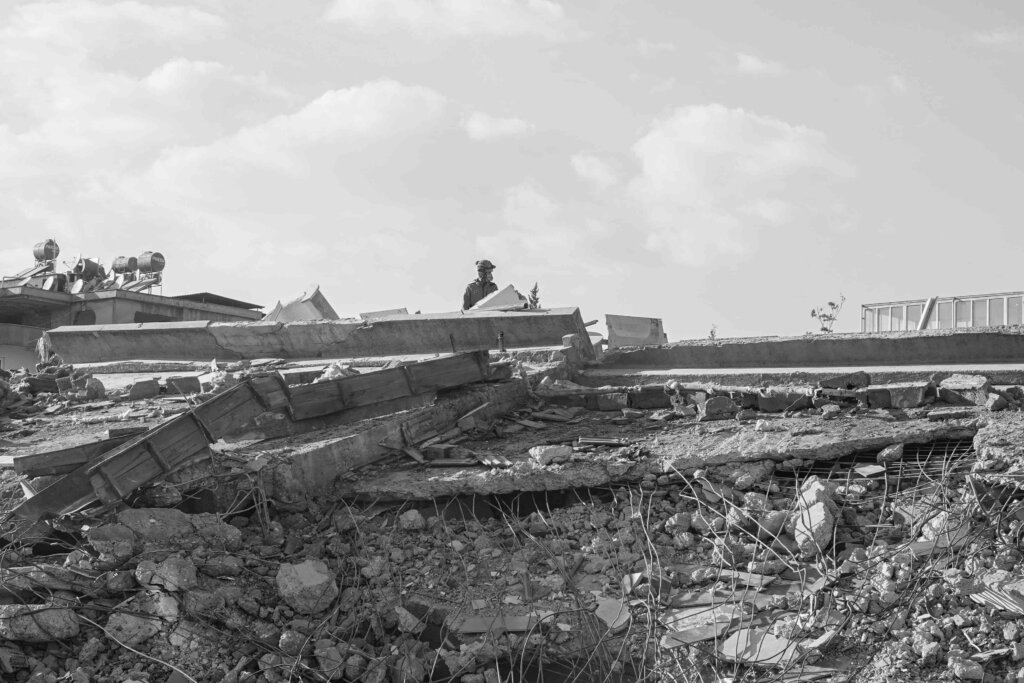
Every year between May and November, Texas puts apartment renters through a weather gauntlet: hailstorms, tornadoes, flash floods, tropical systems, and wildfires. Austin sits in the middle of Flash Flood Alley, a corridor from San Antonio to Dallas with some of the most dangerous flash flooding in North America.
Our team helps hundreds of Austin renters find apartment that match their needs each year. And a consistent pattern stands out: very few of them understand what happens to their lease, their rent, or their belongings when a disaster damages their apartment. A legal framework exists. Texas Property Code has specific casualty loss provisions. But the law is spread across multiple code sections, and the practical steps you need in the first 48 hours aren’t spelled out anywhere.
This guide covers the law, the gray areas, and the exact steps to take depending on how badly your apartment is damaged. We’ll also make the case for why renter’s insurance at roughly $20/month in Texas might be the single most consequential financial decision you make as a renter, and why it matters more than knowing the law itself.
Before the Storm: The Preparation Checklist Most Renters Skip
If you’re reading this before a disaster has hit, good. That puts you ahead of most Texas renters. About 30-60 minutes of work now can save you thousands of dollars and weeks of stress later.
Get renter’s insurance if you don’t have it. We’ll cover the details later in this article, but the short version: roughly $20/month covers your belongings, temporary housing if you’re displaced, and liability. Living near a creek or waterway? Ask about adding a separate flood policy. Standard renter’s insurance doesn’t cover flood damage. A gap that catches Austin renters off guard every spring. For a good overview of what renter’s policies typically include, check the Texas Department of Insurance.
Document your belongings now. Walk through your apartment and record a video inventory of every room. Open closets and drawers. Pan slowly across shelves. You’re creating a visual record of what you own for potential insurance claims. Save the video to cloud storage, not just your phone. Your phone might be sitting in the flooded apartment when you need it most.
Save a digital copy of your lease. Floods destroy paper. Photograph or scan every page and store it in email or cloud storage. Pay attention to any disaster-related clauses. Some leases include specific provisions for casualty loss that may modify your rights under state law, and those provisions matter (more on this in the next section).
Check your flood zone. Use the FloodPro tool to see whether your building falls within the 100-year or 500-year floodplain. Five minutes now can inform whether you need separate flood coverage.
Know your emergency contacts. Property management’s after-hours emergency line. Renter’s insurance claims number. FEMA’s disaster hotline: 800-621-FEMA. Bookmark this article.
Texas Casualty Loss Law: What §92.054 Actually Says
Texas Property Code §92.054 governs what happens when a rental property is damaged by what the law calls a “casualty loss”: fire, flood, tornado, hurricane, hailstorm, or similar event.
Two distinct categories exist, and your rights differ dramatically depending on which one applies.
| Damage Level | Legal Standard | Your Rights | Rent Obligation | Lease Status |
|---|---|---|---|---|
| Totally unusable | Unit cannot be used for residential purposes at all | Either party can terminate by written notice | Prorated through date unit became uninhabitable | Terminated on the later of: notice date or move-out date |
| Partially damaged | Unit is damaged but still livable | Request rent reduction; request repairs under §92.052 | Full rent due unless landlord agrees to reduction | Lease remains active |
That table captures the core distinction, but real-world application is messier than the statute suggests.
“Totally unusable” is relatively clear: no running water, no electricity, structural damage that makes the unit unsafe, or flooding that has rendered the space unlivable. Two feet of standing water or a collapsed roof? You’re in §92.054 territory.
“Partially damaged” is where things get complicated. A working toilet but no hot water. Mold developing behind drywall from a slow leak you can’t see yet. A bedroom ceiling sagging but not collapsed. AC knocked out in August. No bright line exists in the statute between these categories, and that ambiguity is where landlord-tenant disputes happen most frequently after storms.
One detail renters often miss: the termination right belongs to both parties. Your landlord can terminate too. And if the property owner’s insurance doesn’t cover enough to make repairs economically viable, they may terminate rather than rebuild.
Your lease may modify these rights. Most residential leases in Texas (the standard TAR-2001 form) simply refer back to §92.054 for casualty loss situations. But not all do. Some include their own disaster clauses that alter termination procedures, rent abatement provisions, or notice requirements. That’s why we emphasized saving a digital copy of your lease in the preparation section. Before you take any action after a disaster, read the casualty loss provisions in your specific agreement. If the language is confusing or seems to conflict with the statute, consult a legal aid organization before acting.
What to Do Immediately After a Disaster: Step-by-Step
When a storm, flood, or fire damages your apartment, the first 48-72 hours determine how well you’re protected going forward. This is the action checklist. Detailed legal scenarios for uninhabitable vs. partially damaged situations follow in the sections below.
| Priority | Action | Timeframe | Why It Matters |
|---|---|---|---|
| 1 | Ensure personal safety; evacuate if unsafe | Immediate | Nothing else matters if you’re in danger |
| 2 | Document all damage: photos, video, written description | Before any cleanup | Insurance claims and landlord disputes require evidence of original damage |
| 3 | Contact your renter’s insurance company | Within 24 hours | Starts the claims process; some policies have time-sensitive reporting requirements |
| 4 | Notify your landlord in writing of the damage | Within 24-48 hours | Certified mail or trackable delivery creates the legal record |
| 5 | Determine habitability: can you safely stay? | Within 24-48 hours | Determines whether §92.054 (uninhabitable) or §92.052 (repair request) applies |
| 6 | If uninhabitable: send written lease termination notice | As soon as determined | Stops rent obligation from accruing beyond the disaster date |
| 7 | Keep all receipts for temporary housing, meals, replacements | Ongoing | Insurance reimbursement and potential FEMA claims require documentation |
| 8 | Apply for FEMA assistance (if federal disaster declared) | Within 60 days of declaration | Call 800-621-FEMA or visit DisasterAssistance.gov |
On documentation: Photograph and video every room, every item of damage, before you move anything, clean anything, or throw anything away. Wide shots of each room. Close-ups of specific damage. Insurance adjusters need to see the initial condition, not what it looked like after cleanup.
On FEMA: Federal disaster assistance only becomes available when the President issues a formal disaster declaration for your area. Not every storm triggers one. When a declaration is made, FEMA can provide grants for temporary rental assistance, personal property replacement, and other serious disaster-related expenses. And the SBA offers low-interest disaster loans to renters for replacing personal property. A program most renters don’t know about.
Read your lease before taking legal action. As noted in the previous section, your lease may contain disaster-specific provisions that modify the default rules under §92.054. Review the casualty loss or “destruction of premises” clause before sending a termination notice or withholding rent.
How the Same Law Plays Out Differently by Disaster Type
The legal framework under §92.054 applies to all casualty loss events, but practical reality shifts depending on what hit your apartment.
| Disaster Type | Most Common Apartment Damage | Insurance Notes | Typical Repair Timeline | Austin-Specific Risk |
|---|---|---|---|---|
| Flash flood | Ground-floor water intrusion, destroyed furniture/electronics, mold within 24-48 hours | Standard renter’s insurance does NOT cover; requires separate flood policy | Weeks to months (drying, mold remediation, rebuilding) | High: Flash Flood Alley, creek-adjacent properties at greatest risk |
| Hailstorm | Broken windows, roof damage causing water leaks, vehicle damage in uncovered parking | Renter’s insurance covers hail damage to belongings; vehicle damage is auto insurance | Days to weeks for windows; weeks to months for roof | Very high: Austin averages multiple significant hail events per year |
| Tornado/straight-line winds | Structural damage, roof loss, shattered windows, debris impact | Covered by standard renter’s insurance (wind damage) | Weeks to months depending on structural severity | Moderate: tornado risk peaks April through June |
| Fire | Smoke damage even to unburned units, water damage from sprinklers/fire hoses, total loss in affected unit | Covered by standard renter’s insurance including smoke damage to adjacent units | Months for significant fires; uninhabitable situations are clear-cut | Moderate: older Class B/C buildings with outdated systems carry higher risk |
| Hurricane/tropical storm | Wind damage, rain intrusion, flooding (if heavy rainfall) | Wind damage covered; flood damage NOT covered without separate policy | Weeks to months; wide-area disasters create contractor shortages | Moderate: Austin is inland but tropical systems bring heavy rain |
Hail deserves special attention for Austin renters. It’s the most common severe weather damage in Central Texas, and many renters don’t think about how it affects them. A major hailstorm can shatter windows across an entire complex, allowing rain to destroy furniture, electronics, and clothing in minutes. Car in uncovered parking (common at Class B and C properties)? That damage comes out of your auto policy’s comprehensive coverage, not your renter’s insurance.
Fire creates complications renters in adjacent units don’t expect. A fire breaks out three doors down. You never see a flame. But smoke damage can ruin clothing, furniture, and electronics throughout the building, and water from fire suppression systems and hoses often causes more damage to neighboring units than the fire itself. If smoke or water damage from someone else’s fire makes your unit uninhabitable, §92.054 still applies. And your renter’s insurance covers smoke damage to your belongings even if the fire originated elsewhere.
Your Apartment Is Uninhabitable After the Storm
When your apartment is totally unusable after a disaster, here’s what Texas law provides.
Step 1: Deliver written notice to your landlord. State that the unit is totally unusable for residential purposes due to the specific event, and that you’re terminating the lease under Texas Property Code §92.054. Send it by certified mail with return receipt, or by a trackable delivery service like UPS or FedEx. Keep a copy. Per TexasLawHelp.org, written notice is critical for establishing the legal record.
Step 2: Lease termination takes effect. The effective date is the later of two dates: the date stated in your notice, or the date you actually move out.
Step 3: Rent is prorated. You owe rent only through the date the apartment became uninhabitable. Not through the end of the month. Not through your original lease end date.
Here’s what that looks like with real numbers:
| Scenario | Monthly Rent | Disaster Date | Days of Use | Prorated Rent Owed |
|---|---|---|---|---|
| Storm hits on the 10th | $1,800 | March 10 | 10 of 31 days | $581 |
| Flood on the 1st | $1,500 | June 1 | 1 of 30 days | $50 |
| Fire on the 25th | $2,100 | September 25 | 25 of 30 days | $1,750 |
Step 4: Security deposit return. Landlords must return your security deposit within 30 days of move-out, minus any legitimate deductions for damage you caused. Disaster-related damage and normal wear and tear are not deductible from your deposit under Texas law.
Step 5: Document everything before you leave. Photos and video of the damage to both the unit and your personal belongings. Time-stamped. This documentation serves three purposes: your renter’s insurance claim, potential disputes with the landlord over your deposit, and FEMA applications if a federal disaster is declared.
Your Apartment Is Damaged But Still (Barely) Livable
This is the harder scenario — and it’s the one most Austin renters face after storms.
Water stains spreading across the ceiling. Mold forming in the bathroom. A window that won’t seal. AC compressor knocked out by hail. You can technically still sleep there. But the unit isn’t “totally unusable” under §92.054, which means the casualty loss termination right may not apply cleanly.
A different section of the code applies here: §92.052, which covers the landlord’s general duty to repair conditions that affect health or safety.
The repair request process:
- Notify your landlord of the damage in writing. Certified mail, return receipt.
- Give the landlord a reasonable time to make repairs. “Reasonable” isn’t defined by statute; it depends on the severity and circumstances. After a widespread disaster, courts generally allow more time than they would for a routine maintenance issue.
- Landlords must make a diligent effort to complete repairs. But if the property was insured, Texas law says repairs don’t have to start until insurance money arrives. That can take weeks or months.
Watch for mold. It moves faster than most renters expect.
After water intrusion from a flood, burst pipe, or storm damage, mold can begin developing within 24-48 hours. What starts as “partially damaged but livable” on day one can become a genuine health hazard by day three. Musty smells, discoloration on walls or ceilings, visible mold growth. Document it immediately and include it in your written repair request. Mold remediation is a health and safety issue that strengthens your position under §92.052. And if mold spreads to the point where the unit becomes uninhabitable, §92.054 may come back into play.
If repairs don’t happen: When landlords fail to make diligent repairs within a reasonable time after receiving your written request, other remedies kick in. You may be able to terminate the lease for failure to maintain habitable conditions. Repair-and-deduct under §92.0561 is another option, but it has strict requirements and limits. Getting it wrong can expose you to liability. Before taking any self-help remedy, consult with a legal aid organization like Lone Star Legal Aid or Texas RioGrande Legal Aid.
Rent reduction: You can ask your landlord to reduce rent because you’re not getting full use of the property. This applies to both the unit and common areas. If the pool, gym, parking garage, or laundry facilities are damaged, that’s diminished use. Get any rent reduction agreement in writing and signed by both parties.
Landlord refuses? Your recourse is through the courts. Under §92.054(c), you can file a lawsuit seeking a proportionate rent reduction, but it requires a county or district court judgment. Slower than most renters want, but it’s the legal path available.
Our honest take on partial damage situations: Cosmetic damage (scuffed walls, broken blinds, minor carpet staining) isn’t a lease termination event. Standard repair provisions cover it, and most communities will address it. The cases where renters need real help are the ones in the gap: significant water damage that the property manager is slow-walking, mold that’s getting worse while you wait for repairs, or structural issues that feel unsafe but haven’t been formally condemned. Call us at (512) 360-0852 if damage is affecting your ability to live in your apartment. We can help you evaluate your options, including relocating to a different community.
The Temporary Housing Reality Texas Renters Need to Know
Here’s the fact that catches most renters off guard: Texas law does not require your landlord to provide temporary housing while your apartment is being repaired.
Storm damages your unit and you can’t live there during repairs? No legal obligation for the landlord to put you in a hotel, move you to another unit in the complex, or cover any of your temporary living expenses.
Some landlords (particularly larger management companies operating Class A properties) will voluntarily offer relocation to a vacant unit within the same community. Available inventory makes it worthwhile; retaining a tenant beats losing the revenue. But this is a business decision, not a legal requirement. Smaller properties and Class B/C communities with tighter vacancy may have nothing to offer.
Renter’s insurance with “loss of use” or “additional living expenses” coverage changes the entire calculation. Without it, you’re paying for a hotel, short-term rental, or crashing with friends out of pocket for weeks. With it, those costs are covered up to your policy limit.
Renter’s Insurance: The ~$20/Month Decision That Changes Everything
Here’s our position, stated directly: renter’s insurance is the single most important financial preparation a Texas renter can make for a natural disaster.
Knowing your legal rights matters. But rights without resources are theoretical. You can terminate your lease under §92.054 — and then what? Without loss-of-use coverage, you’re still paying for temporary housing out of pocket while you find a new apartment.
What renter’s insurance typically covers:
| Coverage Type | What It Pays For | Typical Limits |
|---|---|---|
| Personal property | Furniture, electronics, clothing, appliances damaged or destroyed | $20,000-$50,000 (you choose) |
| Additional living expenses (loss of use) | Hotel, short-term rental, meals, and other increased costs while displaced | 20-30% of personal property limit |
| Liability | Injuries to others in your unit, or damage you accidentally cause to the property | $100,000-$300,000 |
Source: Texas Department of Insurance
What renter’s insurance does NOT cover:
- The building itself (that’s the landlord’s insurance, not your responsibility)
- Flood damage from rising water (requires a separate flood insurance policy through the National Flood Insurance Program)
- Earthquake damage (separate policy, rare in Texas)
The flood exclusion, explained with an Austin scenario:
You rent a ground-floor apartment near Shoal Creek in central Austin. A May thunderstorm drops 5 inches of rain in two hours. The creek jumps its banks. Water enters your apartment from the ground level — through the door, through the foundation. Furniture, electronics, rugs, everything on the floor is destroyed. Total personal property loss: $18,000.
You file a renter’s insurance claim. Denied. Flood damage from rising water is excluded from every standard renter’s insurance policy in the country.
Now rewind. Same apartment, same storm. But six months earlier, you’d added a flood insurance policy through the NFIP for roughly $25-50/month. That claim gets paid. Belongings replaced. Temporary housing covered.
Here’s the distinction that trips people up: standard renter’s insurance covers water damage from internal sources: a burst pipe, an overflowing bathtub, rain driven through a window broken by hail. It does not cover water that enters from the ground. In a city built on top of creeks and springs, that’s the difference between a covered claim and a total loss.
The cost-benefit math:
| Cost | Amount |
|---|---|
| Average monthly premium in Texas (TDI) | ~$20/month |
| Typical range across carriers | $15-22/month |
| Average annual cost | $192-264/year |
| Typical replacement cost of a 1BR apartment’s contents | $15,000-$30,000 |
| Average hotel cost in Austin during disaster displacement (per night) | $120-$200 |
| Two weeks of temporary housing without insurance | $1,680-$2,800 |
| Two weeks of temporary housing WITH loss-of-use coverage | $0 (covered by policy) |
Renters insurance cost data from TDI and Insure.com Texas analysis
At $20/month, renter’s insurance costs $240/year. A single displacement event lasting two weeks would cost $1,680-$2,800 in temporary housing alone — before counting a single damaged piece of furniture.
Replacement cost vs. actual cash value: Pay attention to this distinction when choosing a policy. An “actual cash value” policy pays what your belongings are worth today, depreciated. A “replacement cost” policy pays what it costs to buy new equivalents. That 3-year-old laptop? Actual cash value might get you $300. Replacement cost buys you a comparable new one. Premium difference is small. Payout difference is not.
Austin Flood Zones: What Renters Need to Know
Austin’s relationship with flooding is more complex than most renters realize. The city sits at the eastern edge of the Texas Hill Country, where hard limestone creates fast runoff during storms. Shoal Creek, Waller Creek, Onion Creek, Williamson Creek, and dozens of smaller tributaries cut through residential and commercial areas. Heavy rain hits, and these normally calm waterways can rise fast.
The 2022 flood disclosure law:
As of January 1, 2022, Texas Property Code §92.0135 requires landlords to attach a flood risk disclosure to all new residential leases. Two things must be disclosed: whether the property has flooded in the past five years, and whether it sits within a 100-year floodplain.
Landlord fails to provide this disclosure and you suffer “substantial” property damage from flooding? You may terminate the lease within 30 days.
But the “substantial loss” threshold matters more than most renters realize. The statute defines it as repair or replacement costs equaling 50% or more of the damaged property’s market value on the date the flooding occurred. Here’s why that number matters in practice: say you have $12,000 worth of belongings in your apartment. A flood damages ground-floor furniture and rugs, totaling $5,000 in losses. Painful, but that’s 42% of market value. Below the 50% threshold. Under §92.0135, you can’t terminate even if the landlord never disclosed flood risk. Losses would need to hit $6,000 or more. And if you have less total property (say $8,000 worth), a $4,000 loss clears the bar. The math depends on both the damage amount and what you owned.
Lease timing matters too. Signed your lease before January 1, 2022? The disclosure wasn’t required. The law applies to leases and renewals executed on or after that date. Renewed since then? The disclosure should have been attached. For leases predating 2022 that have renewed since, the Texas REALTORS® FAQ confirms the addendum should have been provided at the first renewal after January 1, 2022.
How to check flood zones yourself:
The FloodPro tool shows floodplain boundaries, storm drain systems, and flood models for any address in the city. Enter your address to see whether your building falls within the 100-year or 500-year floodplain. FEMA’s flood maps cover the rest of the country.
Why Austin’s flood maps are changing:
A 2018 NOAA Atlas 14 study found that heavy rainfall events in Central Texas happen more often than previously estimated. Storms previously classified as 100-year events are now closer to 25-year events. Austin has been updating its floodplain models based on this data, and Austin Watershed Protection now uses the 500-year floodplain (rather than the 100-year) as its regulatory standard for new development. FEMA is expected to release updated maps by mid-2027.
Austin areas with heightened flood awareness:
Properties near Shoal Creek (central Austin, including parts of Tarrytown and Rosedale), Onion Creek (Slaughter Lane corridor), Waller Creek (downtown, East Austin), and Williamson Creek (South Lamar, Manchaca) should be on your radar. Carrying renter’s insurance but not flood insurance while living near one of these waterways? You have a gap in coverage for the exact event most likely to affect you.
If You’ve Been Displaced and Need a New Apartment
After a regional disaster event — a major hailstorm, widespread flooding, a tornado hitting multiple complexes — available units that were sitting vacant last week get snapped up by displaced renters within days. Concessions that were negotiable yesterday may disappear as demand spikes.
This is one of the situations where working with a locator saves the most time and money. When you’re displaced, browsing listings for two weeks isn’t an option. Our custom search tool refreshes daily and ranks available apartments by net effective rent (actual monthly cost after concessions), so you can compare what you’ll really pay, not what’s advertised. And the 60-day availability window means you’re seeing units that are genuinely ready, not speculative future inventory.
Here’s the practical sequence for disaster relocation: call us at (512) 360-0852, tell us your budget, where you work, and any screening considerations. We’ll pull real-time availability across the submarket you need, calculate net effective rent for each option, and get you touring within 24-48 hours. The service is free. Apartment communities pay our commission.
Texas Renters and Natural Disasters: Your Questions Answered
Can my landlord evict me after a natural disaster?
No. A natural disaster doesn’t create cause for eviction. Either you or the landlord can terminate the lease under §92.054 if the unit is totally unusable, but that’s a lease termination, not an eviction. Texas also has anti-retaliation protections under §92.331: for six months after you make a good-faith repair complaint, your landlord can’t raise rent, reduce services, or file an eviction in retaliation.
Do I still have to pay rent if my apartment is damaged but livable?
Yes. Partial damage doesn’t suspend your rent obligation. You can request a reduction from your landlord based on diminished use of the property, but they aren’t required to agree. Court-ordered rent reduction is the legal path if negotiations fail. One thing to be careful about: do not stop paying rent without legal guidance. In Texas, unpaid rent can lead to eviction proceedings regardless of the property’s condition.
Does my landlord have to pay for my hotel if I can’t live in my apartment?
No, and this surprises a lot of renters. Texas law places no obligation on landlords to provide or pay for temporary housing during repairs. Renter’s insurance with loss-of-use coverage pays for temporary housing. Without it, those costs are entirely yours.
Does renter’s insurance cover flood damage?
Not the kind you’d expect. Standard renter’s insurance covers water damage from burst pipes, rain through broken windows, and fire sprinkler discharge. What it doesn’t cover: water that enters from ground level due to overflowing creeks, storm drainage, or rising water tables. For that, you need a separate policy through the National Flood Insurance Program or a private insurer. In Austin, with creeks running through half the city, that distinction matters.
How do I know if my apartment is in a flood zone?
FloodPro tool is the fastest way to check. Enter your address and it shows whether you’re in the 100-year or 500-year floodplain. FEMA’s Flood Map Service Center provides national coverage. And under the 2022 Texas flood disclosure law, landlords are required to disclose flood risk in your lease, but only for leases signed or renewed on or after January 1, 2022.
What if my landlord doesn’t make repairs after storm damage?
Several remedies become available when landlords fail to act within a reasonable time after receiving your written request via certified mail. Lease termination for failure to maintain habitable conditions is one. Repair-and-deduct (with strict limits) is another. Under §92.0563, you can file in justice court without an attorney for health or safety conditions, as long as the repair cost doesn’t exceed $10,000.
Can I break my lease if my apartment floods?
It depends on severity. Flooding that makes the apartment totally unusable for residential purposes triggers §92.054; either party can terminate with written notice. Damage that’s bad but doesn’t reach “totally unusable”? You’d pursue repair requests, rent reduction, or termination for failure to maintain habitability. And the 2022 flood disclosure law adds another path: if your landlord failed to disclose known flood risk and you suffer substantial property loss (50% or more of your property’s market value), you can terminate within 30 days.
What are my rights if my apartment catches fire?
§92.054 applies to fire the same as any other casualty loss. Unit totally unusable? Either party can terminate. But fire creates unique complications. Smoke and water damage from a fire in an adjacent unit can trigger §92.054 even if flames never touched your apartment. Renter’s insurance covers smoke damage to your belongings regardless of where the fire started. Water damage from sprinkler systems and fire hoses? Also covered. One exception worth noting: if you caused the fire through negligence, your personal property claim may be denied, though your liability coverage would still apply to damage you caused to others.
How much does renter’s insurance cost in Austin?
The Texas Department of Insurance puts the statewide average at about $20/month. In Austin specifically, rates tend to run slightly below the state average. Insure.com data shows an Austin average of about $17/month ($203/year) for a policy with $40,000 in personal property coverage, $300,000 in liability, and a $1,000 deductible. Across carriers, most Austin renters pay $15-22/month. Progressive and State Farm are consistently among the most affordable in Texas.
What does FEMA cover for renters after a disaster?
FEMA assistance kicks in only after the President issues a formal disaster declaration. When that happens, renters can receive rental assistance (temporary housing payments), personal property replacement help, and coverage for other essential needs. Apply within 60 days at DisasterAssistance.gov or by calling 800-621-FEMA. The SBA also offers low-interest disaster loans to renters for personal property replacement. Separate from business loans and available to individuals.
Can my landlord terminate my lease because of storm damage?
Yes. Under §92.054, the termination right goes both ways. Landlords who determine that repairs aren’t economically viable can terminate with written notice. They must still return prorated rent and your security deposit. This happens most often with smaller property owners and older Class B/C buildings where repair costs may exceed the building’s insured value.
Should I get flood insurance if I rent in Austin?
Living near Shoal Creek, Onion Creek, Waller Creek, Williamson Creek, or any other waterway? A separate flood policy is worth serious consideration. Standard renter’s insurance won’t cover flood damage, and Austin’s flood risk has increased based on updated NOAA rainfall data. Flood insurance through the NFIP is available to renters, not just homeowners. For contents-only coverage (which is what renters need), annual premiums vary based on flood zone and coverage amount, but the average NFIP policy in Texas runs about $581/year. Renters in moderate-to-low risk zones can often find policies for less. And about 25% of flood insurance claims nationwide come from properties outside designated high-risk zones, so even outside a mapped floodplain, the risk isn’t zero.
The right time to read this guide is before you need it. Texas storm season runs May through November, with flash flood risk spiking in spring and hurricane season peaking August through October.
The single most actionable step: get renter’s insurance if you don’t have it. At roughly $20/month, it covers the financial gap that Texas law doesn’t — temporary housing, personal property replacement, and the ability to actually exercise your right to walk away from an uninhabitable apartment without going broke in the process. Near a waterway? Add the flood policy. The cost is marginal compared to what a single flood event would take from you.
Already displaced and need to find a new apartment in Austin? We can help. Our team covers every Austin submarket, and our custom search tool shows real-time availability ranked by net effective rent.
Call the Austin Apartment Team at (512) 360-0852 or use our free search tool to find your next apartment. The service costs you nothing.
This article provides general information about Texas tenant law and is not legal advice. For specific legal questions about your situation, consult with a qualified attorney or contact a legal aid organization such as Texas RioGrande Legal Aid or Lone Star Legal Aid. Screening criteria, approval requirements, and lease terms vary by community and are determined solely by each property’s management.
