
TL;DR: Your lease survives the sale. A change in apartment ownership does not terminate your lease in Texas. The new owner takes the property subject to all existing lease agreements: your rent stays the same, your security deposit obligation transfers, and your lease end date doesn’t change. But the lease surviving is the easy part. What happens at renewal is where most Austin renters get caught off guard.
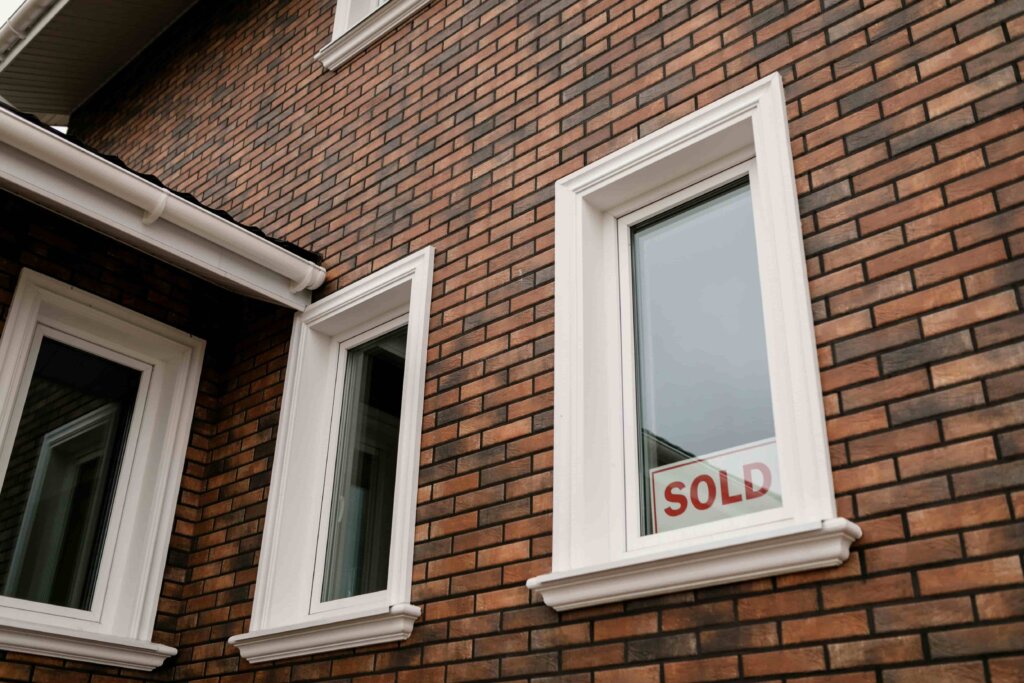
You just got the letter. Your apartment complex has been acquired by [investment group you’ve never heard of]. Something about “exciting improvements” and an “enhanced living experience.” What your brain hears: Am I about to lose my apartment?
We get calls like this regularly. Our team works with Austin renters navigating ownership transitions, and the first thing we tell every one of them is the same: take a breath. Texas law is clear on this. Your lease doesn’t disappear because someone new signed the closing documents.
But here’s what most of the legal explainers online won’t tell you, and it’s the reason we wrote this article. Whether your lease survives isn’t the real question. It does. What happens after it expires, when the new owner has zero obligation to offer you the same terms? That’s what costs people real money. And it’s the part nobody prepares for.
This article covers both: the legal protections you have right now, and the practical realities you should plan for.
Your Lease Survives the Sale: Here’s What That Actually Means
Texas follows a principle called “lease runs with the land.” Your lease agreement is attached to the property itself, not to the person or company that owned it when you signed. When the property sells, your lease transfers to the new owner automatically. They step into the previous owner’s shoes and inherit every obligation in that document. The Texas State Law Library landlord-tenant guide covers these protections in detail.
None of this is optional for the new owner. They can’t decide they don’t like your terms. Shortening your lease? Not allowed. Changing your rent mid-term? Also not allowed. They bought the property knowing tenants were in place, and Texas law binds them to those agreements.
Here’s what stays locked during your current lease term:
| Protected Element | During Your Current Lease | After Your Lease Expires |
|---|---|---|
| Monthly rent amount | Locked at your current rate | New owner sets new terms |
| Lease end date | Cannot be changed | No obligation to renew |
| Security deposit | Transfers to new owner | Returned per Texas Property Code |
| Pet policy | Your current terms apply | Can be changed at renewal |
| Parking terms | Your current terms apply | Can be restructured or priced |
| Move-in concessions you received | Already applied to your lease | Will not carry to renewal |
| Mandatory fees listed in your lease | Cannot be added mid-lease | New fees are common at renewal |
A key distinction here: these protections apply to fixed-term leases, meaning you signed for a specific period (typically 12 months). Month-to-month agreements work differently. If your original lease expired and rolled over, or you signed month-to-month from the start, the new owner can terminate your tenancy with 30 days’ written notice under Texas Property Code §91.001. That’s a much weaker position.
Foreclosure sales are also handled differently. If the property was sold through foreclosure (not a standard sale), the new owner may have the right to terminate your tenancy with 90 days’ notice under the federal Protecting Tenants at Foreclosure Act. If you received a foreclosure-related notice, consider consulting an attorney.
What CAN Change: Even During Your Current Lease
Your rent is locked. Your lease terms are locked. But not everything about your daily living experience is written into your lease, and the things that aren’t can shift quickly after a sale. None of these changes mean the sky is falling. Most are just part of the transition. Knowing what to expect makes the process feel a lot less chaotic.
Management company. New owners almost always bring in their own property management, often within 30-60 days of closing. You’ll get a new leasing office staff, a new maintenance team, a new online resident portal, and new payment systems. The people you had relationships with — the leasing agent who was flexible about a late payment, the maintenance tech who showed up the same day — may all be gone.
Non-lease policies. Package delivery procedures, guest and visitor policies, pool and gym hours, common area rules, parking lot enforcement. If it’s not explicitly written into your lease, new management can change it. All of these are typically governed by community policies, not your individual lease agreement.
Renter’s insurance enforcement. Most standard apartment leases (particularly those using Texas Apartment Association forms) already require renter’s insurance. Many previous owners just didn’t enforce it. New management often starts enforcing this existing clause, or auto-enrolling you in a liability-only policy and billing you monthly. Check your current lease. If it already requires insurance, the new owner isn’t adding a new obligation. They’re enforcing one you agreed to.
Renovation disruption. New owners frequently renovate common areas: pools, fitness centers, clubhouses, lobbies, dog parks. Expect construction noise during work hours, temporary amenity closures, parking disruptions from contractor vehicles, and changed access routes through the property. Your lease guarantees your unit. It doesn’t guarantee the condition of common areas or uninterrupted access to amenities.
Rent payment confusion. During an ownership change, you may not immediately know who to pay or how. The new owner is supposed to send written notice with updated payment instructions, but sometimes that notice arrives late. Don’t stop paying rent because you’re unsure where to send it. A renter who misses a payment, even during an ownership transition, is still technically in default. If you haven’t received new instructions, reach out to the new management in writing and ask. Keep a record of every attempt and every communication.
Communication systems. Work orders submitted through the old portal may not carry over. Autopay settings may need to be re-established. Contact numbers change. Expect 60-90 days before operations stabilize under new management.
| Item | Can Change Mid-Lease? | Notes |
|---|---|---|
| Your monthly rent | No | Locked until lease expires |
| Management company | Yes | Typically within 30-60 days |
| Maintenance staff | Yes | Often immediate |
| Package delivery system | Yes (if not in lease) | New systems and lockers common |
| Pool and gym hours | Yes (if not in lease) | Renovation closures typical |
| Online payment portal | Yes | Expect a transition period |
| Guest and visitor policies | Yes (if not in lease) | Review any new community rules |
| Renter’s insurance enforcement | Yes (if already in your lease) | Often newly enforced post-sale |
| Parking assignments | Depends | Only changeable if not in your lease |
| Pet policy for YOUR pets | No | Your existing lease controls this |
What to Expect in the First 90 Days
Most ownership transitions follow a predictable timeline. Knowing the sequence helps. It turns a vague anxiety into a series of specific, manageable steps.
| Timeframe | What Typically Happens | What You Should Do |
|---|---|---|
| Week 1-2 | Announcement letter arrives from old or new ownership | Save a copy of your current lease immediately |
| Week 2-4 | New management company introduced; new contact info provided | Document your unit condition (photos/video) |
| Month 1-2 | New resident portal launched; payment system changes | Re-establish autopay; confirm new payment instructions in writing |
| Month 1-2 | New management requests paperwork (addendums, estoppel certificates) | Review carefully; don’t sign anything that changes your lease terms |
| Month 2-3 | Renovation of common areas begins | Note any closures and impacts to your unit |
| Month 2-4 | New policies communicated (package, guest, parking, insurance) | Compare new policies to your lease; push back on anything that conflicts |
| Month 3+ | Operations stabilize under new management | Confirm deposit amount on file matches your records |
Your experience may vary. Some transitions are smoother, some rougher. But the pattern is consistent enough across Austin’s apartment market that this timeline should give you a reasonable idea of what’s coming.
Security Deposit Transfer: Your Money, Their Obligation
Under Texas Property Code §92.105, when a rental property changes ownership, the new owner becomes liable for the return of your security deposit from the date they acquire title. And here’s what matters: this applies regardless of whether the previous owner actually transferred the deposit money to them.
Even if the old owner pocketed your deposit and never handed it over, the new owner is still on the hook to return it when you move out.
There’s a second layer of protection most articles skip. The previous owner also remains liable for your deposit until the new owner delivers to you a signed statement acknowledging they’ve received and are responsible for your deposit, specifying the exact dollar amount. Until that signed statement reaches you, both owners are potentially liable. That dual liability structure exists specifically to prevent your deposit from falling through the cracks during a sale.
| Scenario | Who Is Responsible for Your Deposit? | Legal Basis |
|---|---|---|
| New owner received deposit from seller at closing | New owner | TX Property Code §92.105(a) |
| Seller failed to transfer deposit to new owner | New owner is still liable | TX Property Code §92.105(a) |
| New owner hasn’t delivered signed acknowledgment to you | Both seller AND new owner | TX Property Code §92.105(b) |
| Property was acquired through foreclosure | Previous owner (not new owner) | TX Property Code §92.105(c) |
Within 30 days of learning about the ownership change, ask the new management for written confirmation of your deposit amount on file. Email works. If the amount they have doesn’t match what you originally paid, dispute it immediately in writing. Don’t wait until move-out to discover a discrepancy.
And if a landlord withholds your deposit in bad faith? Texas Property Code §92.109 allows a court to award three times the amount wrongfully withheld, plus a $100 statutory penalty, plus reasonable attorney’s fees. That applies to new owners just as much as original landlords.
Take a screenshot of your original lease page showing your deposit amount. Store it somewhere outside of any resident portal. Those portals often get wiped or migrated during ownership transitions. A cloud drive or even an email to yourself works.
The Renewal: Where Ownership Changes Actually Hit Your Wallet
Everything above is about protecting what you have right now. That’s the foundation, and it’s solid. What comes next is the part that actually affects your bank account, and it helps to see the math ahead of time rather than on the day the renewal letter arrives.
When your lease term ends, the new owner has zero obligation to renew at your current rate. None. Texas has no rent control laws. No cap on renewal increases. The new owner can offer whatever terms they want, and your only options are to accept, negotiate, or leave.
Post-acquisition rent increases at renewal aren’t just common — they’re the business model. Institutional investors acquire apartment communities specifically to increase the property’s net operating income. They renovate, rebrand, reduce concessions, and raise rents. Your renewal offer is how that plan hits your monthly budget.
Here’s where the math gets important. If you signed your current lease during a concession period (and in Austin’s current market, many renters did), your actual monthly cost is lower than your base rent. We call that your net effective rent.
The formula: Base rent × months actually charged ÷ total lease months = net effective rent
Say you signed a 12-month lease at $1,700/month base rent with 2 months free. Your net effective rent is $1,417/month ($1,700 × 10 ÷ 12). That $1,417 is what you’ve been budgeting around.
At renewal, the new owner will almost certainly offer zero concessions. Even if they keep your base rent at $1,700, your actual cost jumps from $1,417 to $1,700. That’s a $283/month increase without any base rent hike at all. And if they raise the base rent (post-acquisition increases of $200-400/month on base rent are common in Austin’s market) plus introduce mandatory monthly fees? The math looks like this:
| Cost Element | Your Current Lease | Likely Renewal Terms | Monthly Impact |
|---|---|---|---|
| Base rent | $1,700 | $1,800-$1,900 | +$100-200 |
| Concessions applied | 2 months free (net effective: $1,417) | None | +$283-483 |
| Valet trash fee | Included or $0 | $25-35/month | +$25-35 |
| Pest control fee | Included or $0 | $5-15/month | +$5-15 |
| Technology/internet fee | $0 | $50-75/month | +$50-75 |
| Amenity fee | $0 | $25-75/month | +$25-75 |
| Total monthly cost | $1,417 net effective | $1,930-$2,100 | +$513-683 |
A potential increase of $500+ per month, even though the “base rent” only went up $100-200. The disappearing concession and the new mandatory fees create the real sticker shock.
We’re not sharing this to scare you. We’re sharing it so you have enough lead time to plan. Renters who handle this best start comparing options 90 days before their lease expires — not 30 days after the renewal letter arrives.
If you’re facing a renewal after an ownership change and the numbers don’t look right, call us at 512-360-0852. We can pull net effective rent comparisons for your area so you know what the market actually supports, and whether the new owner’s offer is competitive or inflated.
What to Do When Your Complex Is Sold: A Protection Checklist
You can’t control the sale. You can control how prepared you are. Here are the specific actions to take as soon as you learn your complex has new ownership.
1. Save a complete copy of your current lease.
Don’t rely on the new management company having your file. System migrations lose data. Portals get swapped. The lease you signed with the previous owner is your legal protection, so make sure you can produce it if there’s ever a dispute. Save a PDF to a cloud drive, email it to yourself, or keep a physical copy.
2. Document your unit and common areas with photos and video.
Do this within the first week. Timestamp everything. Focus on walls, floors, appliances, fixtures in your unit, and the common areas (pool, gym, hallways, parking). If renovation-related damage occurs later (construction dust in your unit, a cracked window from nearby work), you’ll need before-and-after evidence.
3. Request written confirmation of your security deposit amount.
Send an email to the new management company asking them to confirm the exact dollar amount on file. Compare it to your original lease. If the numbers don’t match, dispute it in writing immediately.
4. Know the difference between addendums and estoppel certificates.
New management will likely present paperwork. Some of it is an estoppel certificate, a document where you confirm your lease terms, deposit amount, current rent, and whether you have any outstanding complaints. Signing this is actually in your interest, because it creates a written record both parties agree on.
What you should be cautious about is any addendum that attempts to modify your existing lease terms: adding new fees, changing policies, adjusting your lease end date. You aren’t obligated to sign anything that changes the terms of your current lease. If you’re unsure about a document, ask directly: “Does signing this change any term of my existing lease?” If the answer is yes, you can decline.
5. Document any service deterioration in writing.
If maintenance responsiveness drops, amenities close without a timeline for reopening, or habitability issues emerge (HVAC failures, plumbing problems, pest infestations), submit written requests through the new portal or via email. Under Texas Property Code §92.0561, your landlord, including a new owner, must make a diligent effort to repair conditions that affect your health or safety after receiving written notice.
| Action | When to Do It | Why It Matters |
|---|---|---|
| Save complete copy of your lease | Immediately after sale announcement | New system may not have your file |
| Photo/video document your unit | Within 1 week | Establishes condition baseline |
| Request deposit confirmation in writing | Within 30 days of new management | Prevents amount disputes at move-out |
| Sign estoppel certificate after reviewing | When presented | Locks in agreed-upon lease facts for both parties |
| Review (don’t auto-sign) addendums | When presented | Protects your current lease terms |
| Submit maintenance issues in writing | Ongoing | Creates enforceable paper trail |
Why This Keeps Happening in Austin
This article isn’t theoretical. Austin’s apartment market has been one of the most active in the country for institutional investment, and that pace hasn’t slowed.
Over 30,000 new apartment units were delivered in 2024 alone, the peak of the current construction cycle according to RealPage’s analysis. That supply wave pushed vacancy well above historical averages. The Austin Apartment Association reports occupancy recovering to 86.2% metro-wide, with rent growth still negative at -6.8% year-over-year. Nearly 75% of Class A properties are offering concessions.
All of that oversupply, combined with softening rents, creates exactly the conditions investors look for: a chance to buy at a lower price point during a soft market, renovate, and position for rent growth as the market tightens. And it is beginning to tighten. The AAA projects roughly 12,000-13,000 new units in 2026, a sharp drop from the 2024 peak, and industry analysts expect the market to approach equilibrium by late 2026.
Which properties are the targets? Class B communities, typically 5-15 years old, in decent locations, with room for cosmetic upgrades. Corridors like East Riverside, North Lamar, Far Northwest Austin, and parts of Southeast Austin have all seen this play out over the past several years.
The investor playbook is predictable: acquire during oversupply, renovate common areas and turn vacant units, rebrand the property, reduce or eliminate concessions, raise rents at renewal. Then sell the stabilized asset at a higher valuation in 3-5 years. None of that is hidden or unusual. But if you’re a renter living in one of these communities, understanding the plan behind the sale helps you anticipate what’s coming, especially when it’s time to decide whether to renew or move.
Not sure how an ownership change affects your specific situation? Call us at 512-360-0852. We track Austin’s apartment market daily and can give you straight answers based on the buyer and your property.
When You Don’t Need Us
If your lease expires in 60 or more days and you’re open to moving, you’re in a strong position right now. Austin’s vacancy rates mean options exist. You don’t necessarily need an apartment locator for this.
Here’s the framework: compare the net effective rent at 3-5 competing communities in your submarket. If the new owner’s renewal offer comes in more than 15% above what comparable properties are charging after concessions, you have negotiating power, or a clear signal to move.
We can pull that comp data for you for free if you want it. But the math works whether you call us or not.
Apartment Sold to New Owner: Frequently Asked Questions
Can a new apartment owner kick me out in Texas?
Not if you have a fixed-term lease. The new owner must honor it for the full remaining term. They can’t evict you simply because they bought the property. Eviction requires the same legal grounds as any landlord: non-payment of rent, lease violations, or other legally justified cause. And it must go through the court system. A new owner can’t simply demand you leave.
Does my lease automatically end when my apartment complex is sold?
It doesn’t. Under the “lease runs with the land” principle, your lease transfers to the new owner automatically. The only exception would be a specific termination-upon-sale clause in your lease, which is rare in standard apartment leases in Texas. Read yours to confirm, but in the vast majority of apartment community sales, your lease continues uninterrupted.
Can the new owner raise my rent before my lease expires?
Your lease is a binding contract. The rent amount is fixed for the duration of your term. No new fees, no modified financial terms, nothing changes until your current lease expires and a renewal or new lease is offered.
What happens to my security deposit when my apartment is sold in Texas?
The new owner becomes responsible for your deposit under Texas Property Code §92.105, regardless of whether the previous owner actually transferred the funds. Both the old and new owner can be liable simultaneously until the new owner delivers you a signed statement acknowledging the deposit amount. Request this in writing within 30 days.
Do I have to sign a new lease with the new apartment owner?
Your existing lease remains valid and enforceable. New management may present addendums or updated community rules to sign, but you aren’t required to sign anything that changes your current terms. Unsure about a document? Ask what happens if you decline. An estoppel certificate, which simply confirms your existing lease facts, is worth reviewing and signing because it protects your interests too.
Can the new owner change apartment rules and community policies?
For anything not written into your individual lease, yes. Pool hours, package delivery systems, guest policies, common area rules. Management sets those, not your lease agreement. But items that are specified in your lease (rent amount, pet terms, parking assignments) can’t be changed until the lease expires.
What if the new management company stops responding to maintenance requests?
Your rights don’t change with new ownership. Under Texas Property Code §92.0561, a landlord must make a diligent effort to repair conditions that materially affect your physical health or safety after receiving written notice. Submit all requests in writing and keep copies. If the issue goes unresolved after a reasonable time, you may have legal remedies including lease termination in some cases. The Austin Tenants’ Council can provide guidance on filing complaints.
How much can a new apartment owner raise rent at renewal in Texas?
There’s no cap. Texas has no rent control or rent stabilization laws, so the new owner can set whatever renewal rate they choose. In the Austin market, post-acquisition increases of $200-400/month on base rent are common, and that’s before factoring in new mandatory fees or the loss of concessions from your original lease. Comparing net effective rent at competing properties before your renewal date gives you real negotiating data.
Can I break my lease if my apartment complex is sold to a new owner?
An ownership change alone doesn’t give you legal grounds to terminate early. Your obligations under the lease remain the same. Breaking it means you’d face the same early termination fees or reletting charges outlined in your original agreement. The exception: if conditions in your unit deteriorate to the point of affecting health or safety and the landlord fails to repair after proper written notice.
What happens if my apartment is foreclosed on? Is that different from a sale?
Yes. In a standard sale, the new owner must honor your lease. Foreclosure works differently. The new owner may have the option to terminate your tenancy with 90 days’ notice under the federal Protecting Tenants at Foreclosure Act. If you receive a foreclosure-related notice, consult with an attorney or contact TexasLawHelp.org. The timeline and your options differ enough from a standard sale that professional guidance is worth the time.
Who do I pay rent to during the ownership transition?
Pay the party identified in the most recent written notice you received. Haven’t gotten new payment instructions? Reach out to both the old and new management in writing and ask. Stopping payment is the worst move you can make. Even if the situation is confusing, non-payment puts you at risk of default. Keep copies of all communication and payment records during the transition.
Your Lease Is Protected. Your Budget Might Not Be.
Texas law is clear: your lease survives an apartment sale, your deposit is protected by statute, and no new owner can change your terms mid-lease. That foundation is solid.
But the variables that actually determine your financial outcome are different: when your lease expires, what concessions you’re currently receiving, and whether the new owner’s renovation-and-rebrand plan is going to push your renewal cost well beyond what you’ve been paying.
Renters who come through ownership transitions in the best position treat renewal as a negotiation — not a formality. Know your net effective rent. Know what competing properties in your submarket are offering. Have a plan before the renewal letter arrives, not after.
Our team tracks Austin’s apartment market daily: pricing, concessions, ownership changes, and the communities where negotiation actually works. If you want that data working for you, it’s free.
The Austin Apartment Team helps renters navigate ownership transitions, lease renewals, and apartment searches across Greater Austin, at no cost to you. Call or text us at 512-360-0852 to get started.
All information in this article is for general guidance only and does not constitute legal advice. Specific situations may vary. For legal questions about your lease or tenant rights, consult a licensed attorney or contact TexasLawHelp.org. Property information, rent ranges, and market conditions are subject to change. Verify all details directly with the property.
